The ambitious scope of Elizabeth Warren’s push to rethink how America tackles issues has spurred questions about how she would deliver.
Failing to do so can lead to disastrous outcomes.
Regardless of how well managed your business is, one crisis could grind things to a crippling halt. This is especially true for small businesses: inadequate resources often render them incapable of… Read More
Positive psychology researcher Michelle Gielan has studied optimism and success for more than a decade, and she has found that those with an optimistic outlook are better equipped to deal with stress.
There are nights I’m sure I’m asleep before my head hits the pillow. As a working mother, I remember writing my book with my first baby crawling around the floor of our home office. These days, I comanage both our business and home with my husband, while continually striving to be present with our young son and daughter each day. I’m sure many of you relate all too well to the feeling of never having enough time.
In a competitive work environment, it’s up to you to move your career forward. You have to be proactive and continually refine your skill sets to advance and thrive. The corporate climb is always evolving, and staying on top of the latest trends in the business world is key to ensuring that you enjoy many years of success and growth.
The post Innovate for Expertise: 5 Ways To Expand Your Skill Set & Job Potential appeared first on Innovation Management.
You’ve just spent thousands of dollars, countless hours, and have had more organizational nightmares than you’d care to admit, but you’re done.
The brand new site design you’ve been working on is finally finished — and it looks great.
However, after a few weeks, you notice something’s missing. Maybe it’s a simple design error, or perhaps, a feature doesn’t work or was overlooked.
Whatever it is, it’s missing and you’re not sure how to fix it.
Hiring an agency or directing your developer’s time to fix it are investment-heavy solutions that’ll eat up more of your budget and time.
Fortunately, there are tons of awesome website plugins that can quickly and easily improve the functionality of any site. Here, we’re going to explore 14 of them.
But first — what is a website plugin?
What Are Website Plugins and Why Are They Important?
Website plugins are individual services that improve a specific functionality of your site.
You might use a website plugin to quickly change visual elements, add extra information or content, offer smoother integration between your site and a favored tool, or even add a completely new feature and function to your web property.
The beauty of website plugins is in their simplicity. The name’s pretty apt, since all you do is download and install, or “plugin.” Simply set one up, and your site can run smoother and offer features your users want.
How to Assess if a Plugin is the Right Solution for You
I’m going to run through a couple of fantastic plugins for different goals below, but first, let’s dive into some general rules on how to find the best plugin for your site.
1. Understand your website platform.
If you’re running your website on Shopify, then a WordPress plugin isn’t going to be of much use.
This typically won’t be a huge issue for you, since a lot of the almost-done-for-you platforms (like WordPress and Shopify) come with simple built-in plugin libraries.
However, whatever your situation, it’s critical you ensure you know what your site’s running on to save you time looking into a solution that’s incompatible.
2. Know your goal.
What are you trying to achieve?
You need to know this upfront so you can look for the plugin with the right functionality.
When you’re figuring this out, go deeper than goals like “more money”. Instead, get specific and outline the issue people are facing on your site, and the action you can take to fix the problem.
For example, “The messaging on the site is too general. If we personalize the messaging we should see conversions increase by X% within [timeframe]”.
3. Conduct research.
Once you’ve narrowed down on your goal, you want to conduct research to find a solution best-fit for your specific problem.
Ideally, you’ll want a plugin that has good reviews, is compatible with your site’s platform, and offers the actual features that can help you achieve your goal.
Once you’ve found a good option, it’s time to get it onto your site for your first test.
Having trouble finding an option? Fortunately, we’ve conducted some of the research for you. Keep reading to learn about our 14 favorite website plugins for 2019.
1. Proof
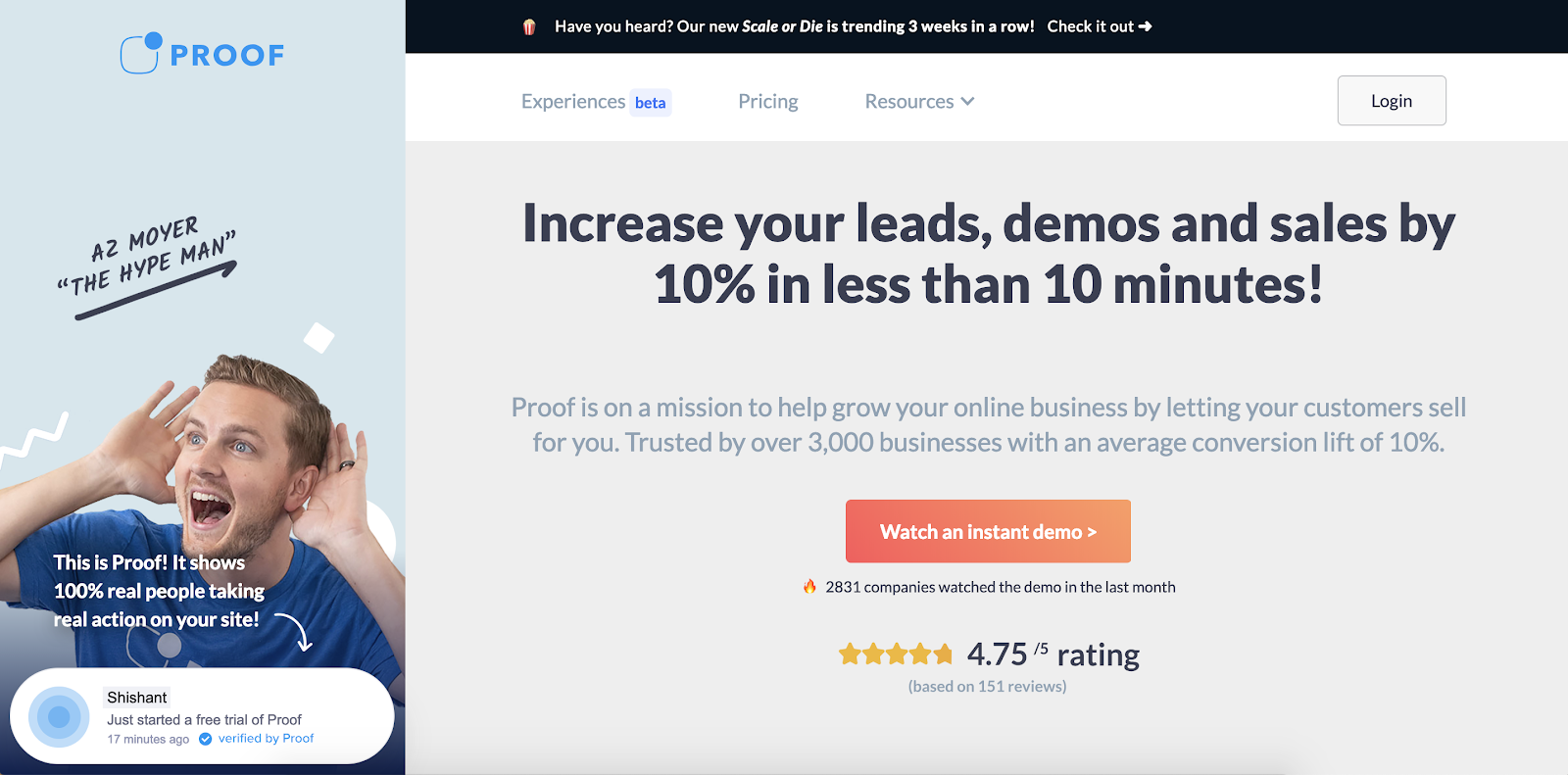
Good social proof elements can be the difference between a user committing to buy, or exiting your site.
Proof allows you to add social proof in different forms across your site, including current live visitor numbers, notifications of current purchases, and reports of how many people have recently signed up. Ultimately, this is a good tool for you if you feel your site’s viewers could benefit from visualizing how popular your products or services are.
2. HubSpot WordPress Plugin
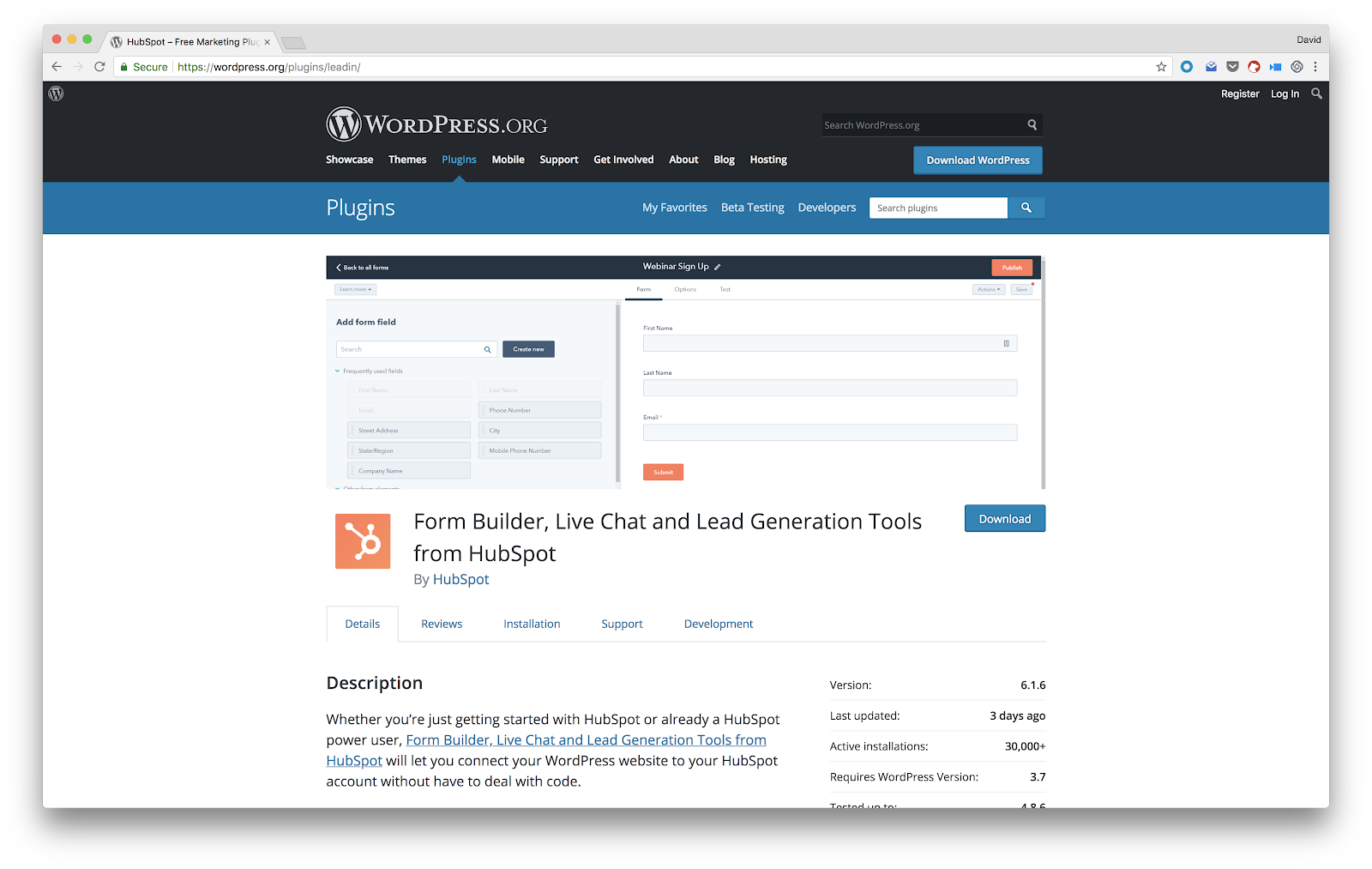
HubSpot’s WordPress plugin gives you an all-in-one marketing and lead generation tool to help you collect leads, create popup forms, live chat with visitors, and send all that data back to a free CRM to use for campaigns.
Of course, the HubSpot platform offers many other growth tools, some of which start free and many others that can help you accelerate your marketing, sales, and service operations.
With the WordPress plugin, you can install it quickly, get started easily, and it’s all free to get going.
2. RightMessage
RightMessage is a tool focused primarily on better serving your customers through personalized content.
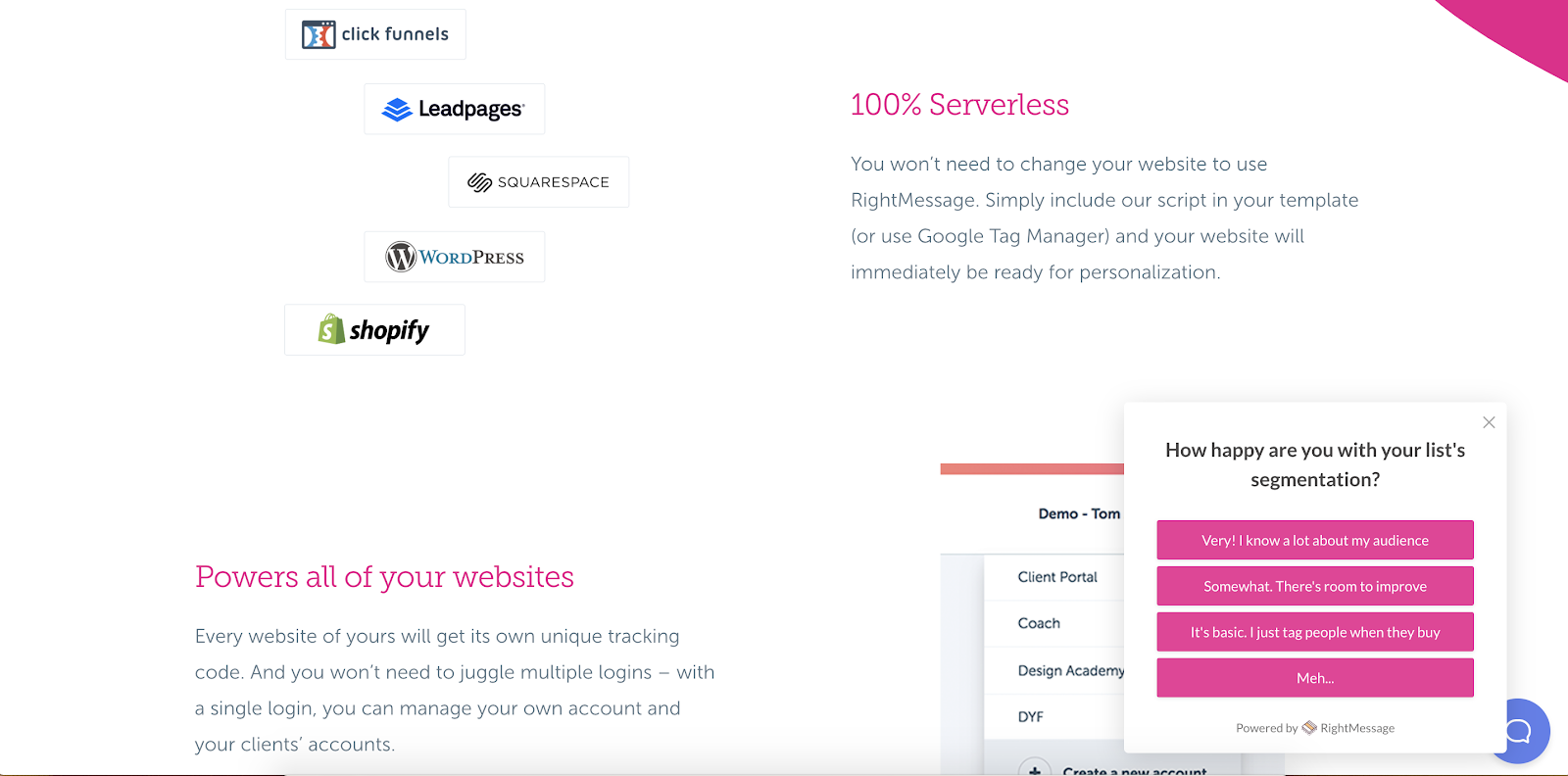
It has a few key features that make it a fantastic solution. First, you’re able to segment users based on slide-in questionnaires, acquisition source, or tags from your email service provider or CRM. Then, based on those segments you can dynamically change messaging and CTAs to better appeal to that segment and increase conversion rates.
Additionally, the plugin integrates with a ton of site platforms including HubSpot, WordPress, and Squarespace.
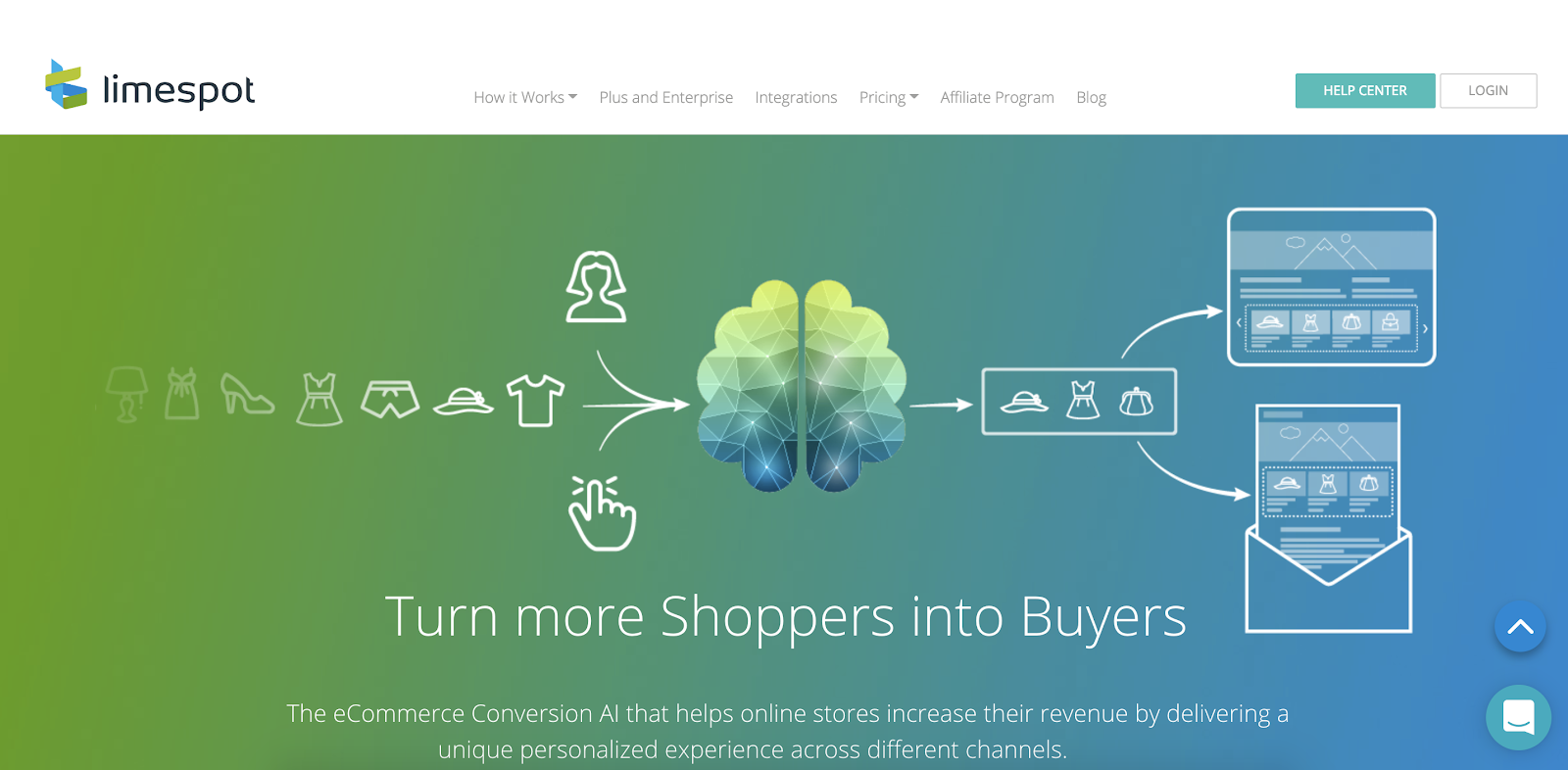
3. LimeSpot Personalizer
LimeSpot is an ecommerce-specific plugin that’s available through the Shopify app directory.
It runs on powerful AI that analyzes user behavior as both an individual, and as part of a cohort to build out their user profile.
Once the AI’s analysis is complete, it makes dynamic product recommendations that are specific to each user — massively increasing relevancy and conversions.
4. HotJar
Knowing how your users are interacting with your site is key to understanding where there are UX issues and design problems.
HotJar’s heat maps provide you with an overview of user engagement on the whole. It can help highlight which CTAs and links are too vague, where you’re losing people in long-form content, and even allows session recordings for real-time analysis.
As an extra bonus, HotJar offers feedback polls for more explicit data collection.

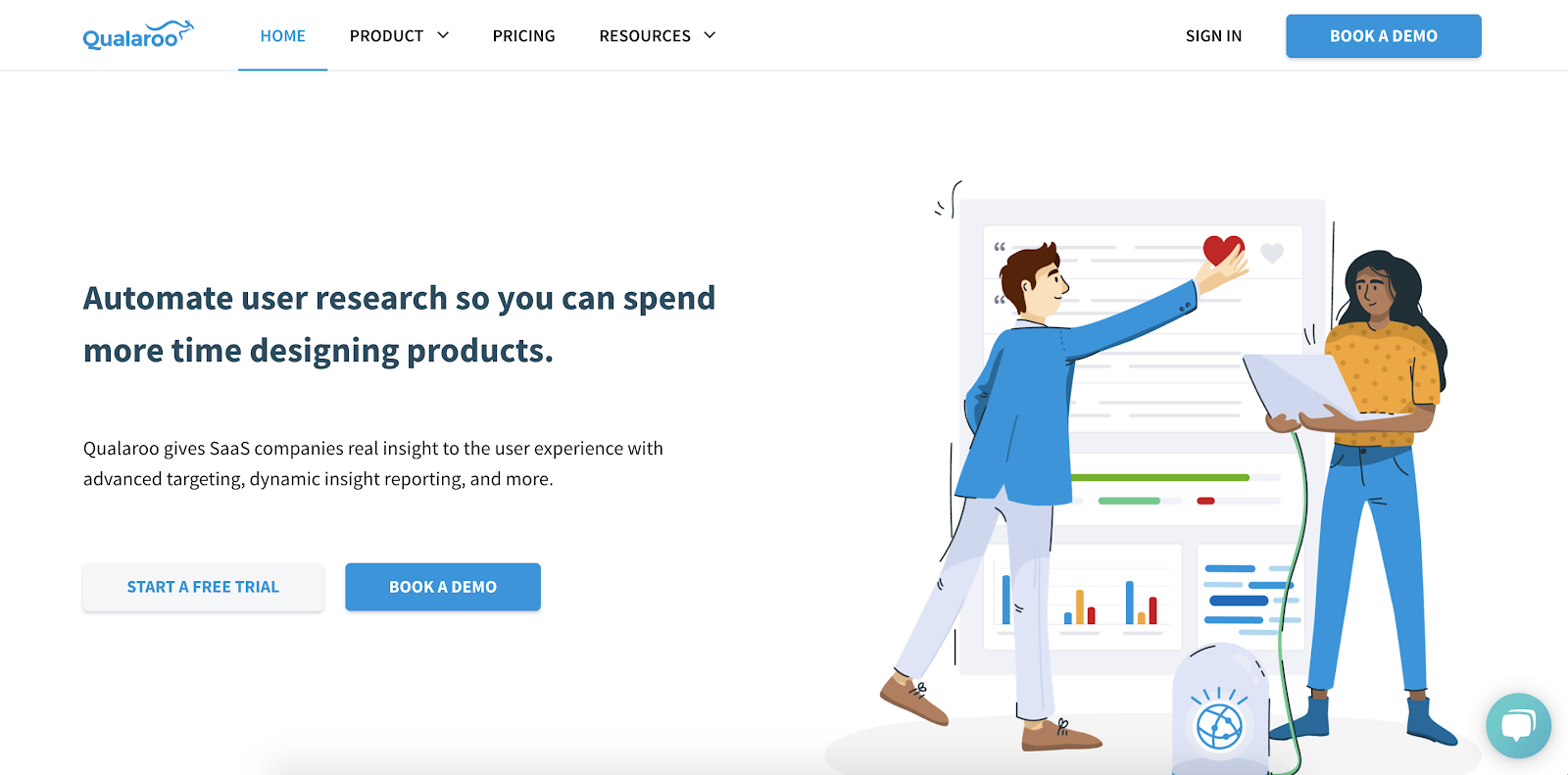
5. Qualaroo
Simply put, Qualaroo takes the feedback element of HotJar to the next level.
With Qualaroo you’re given a suite of features that automatically collect user data through more advanced targeting. You also have the option of including elements like decision trees to dig deeper with your questions.
6. Jumper.ai
Jumper.ai is technically a social commerce tool that allows brands to sell directly through their social media channels without the need for a store.
However, Jumper.ai also offers a plugin that takes their checkout bot and allows you to run it directly on your site. With Jumper, you can add a conversational checkout bot directly on your product or service landing pages.
For instance, here’s how it would look on a blog post:
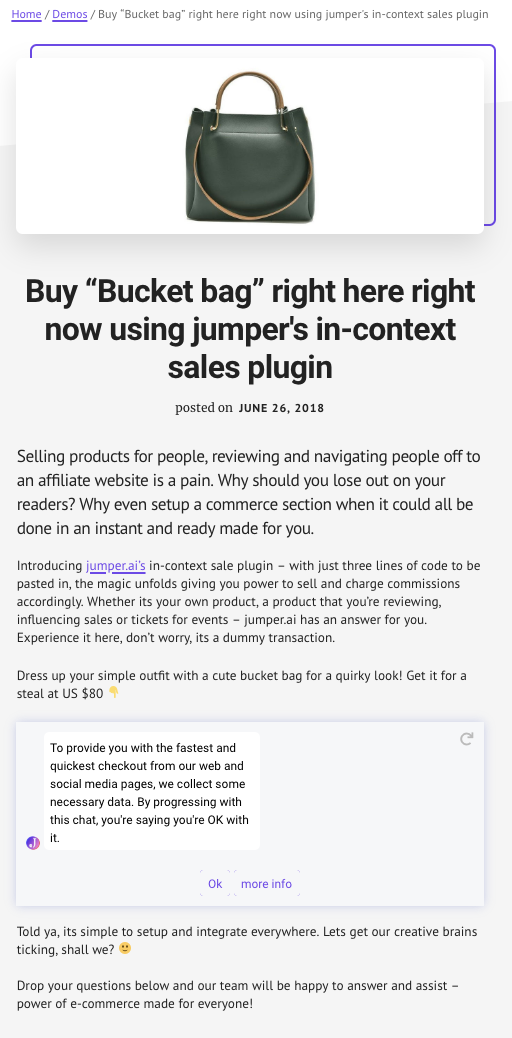
Ideally, a checkout chatbot can help you increase conversions and improve your site’s user experience.
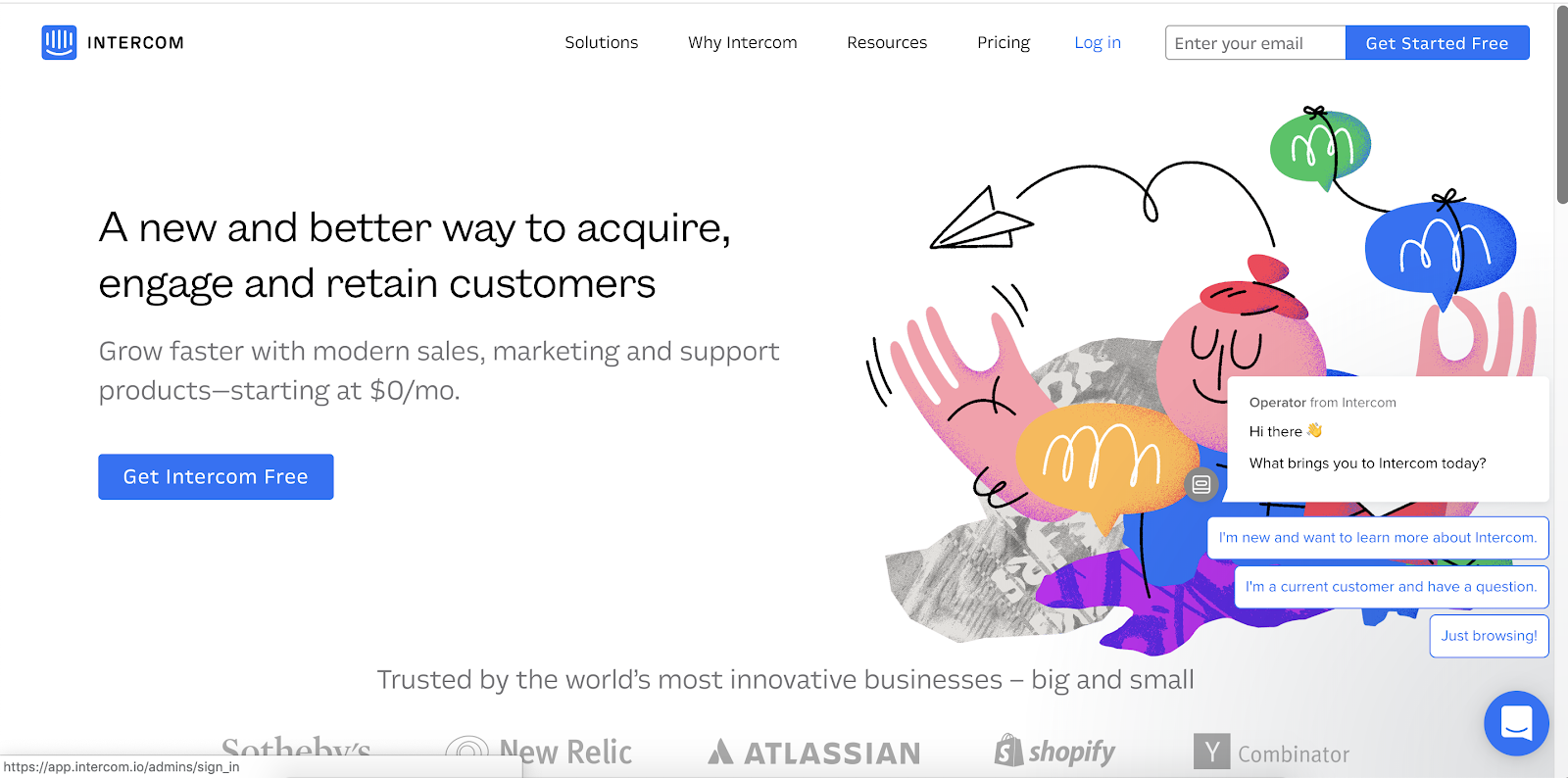
8. Intercom
Intercom allows you to install a small widget in the bottom right corner of your site to engage users with live chat solutions.
You’re able to have operators jump in to help users with live chat, or set up automated chatbots. Additionally, you can use the tool to offer in-app support if you’re running a SaaS solution.
Best of all, Intercom also comes with an email marketing solution to further meet your business needs.
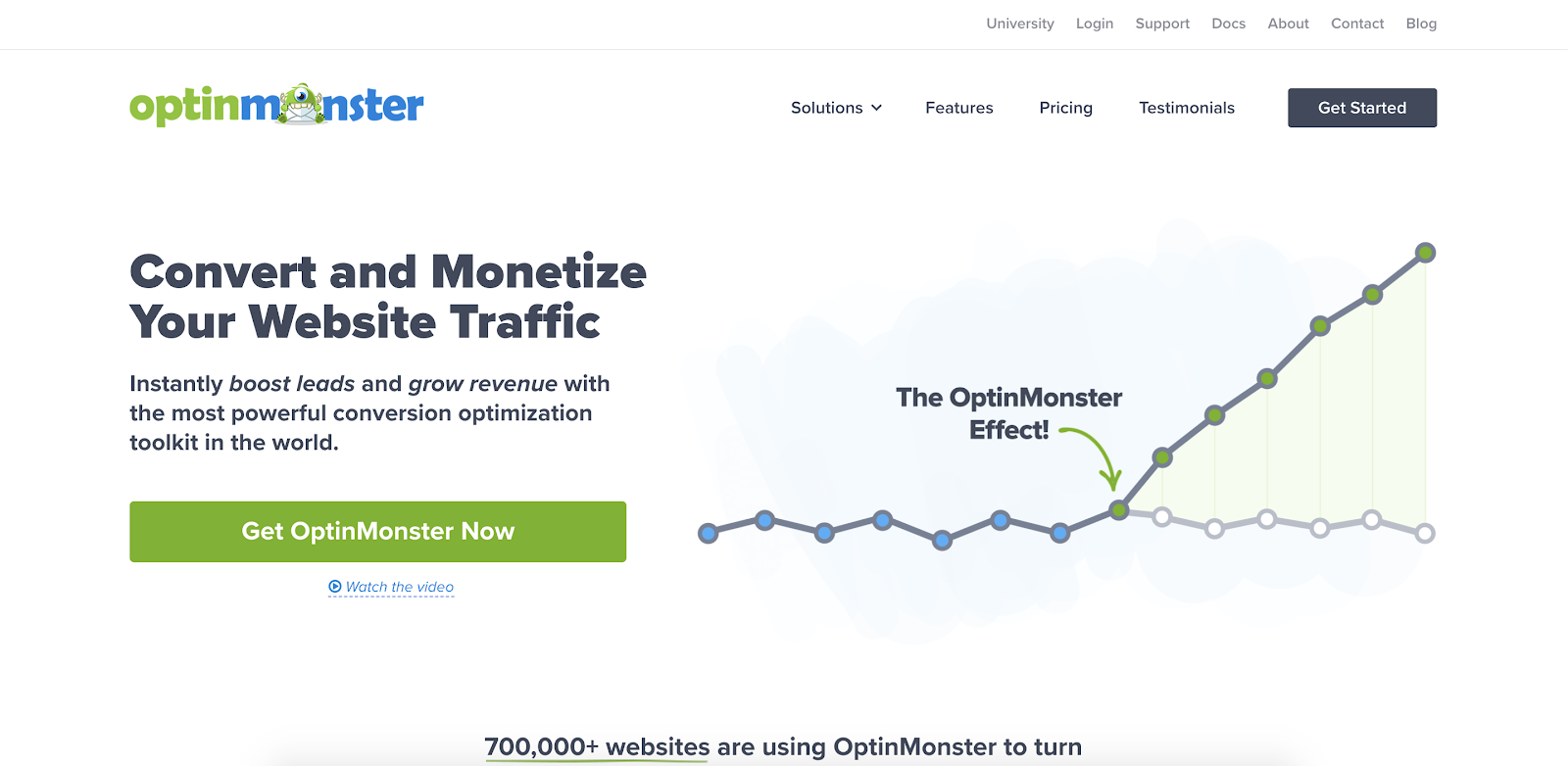
9. OptinMonster
OptinMonster is a lead generation service that gives you the ability to target your offers to specific user segments.
You can ensure that your OptinMonster offers and forms only show up when someone has been on your site for a set period of time, displays exit intent, or have visited certain pages. Ideally, this will help you guarantee your offers are reaching people once they’re eager to learn more.
10. Yoast SEO Plugin
SEO is a complex discipline to master, so every bit of help you can get will save time for you and your business.
Yoast’s SEO plugin isn’t a perfect solution, but if you’re not a professional SEO expert and just need a good overview of your actions, Yoast’s plugin can help you keep things on track and ensure you’re truly optimizing your site for search.
For instance, the tool can amend meta descriptions for you, so you know you’re only showing key information in search results and social shares. When you’re busy or don’t have the resources to dedicate to SEO, Yoast can help you level-up.

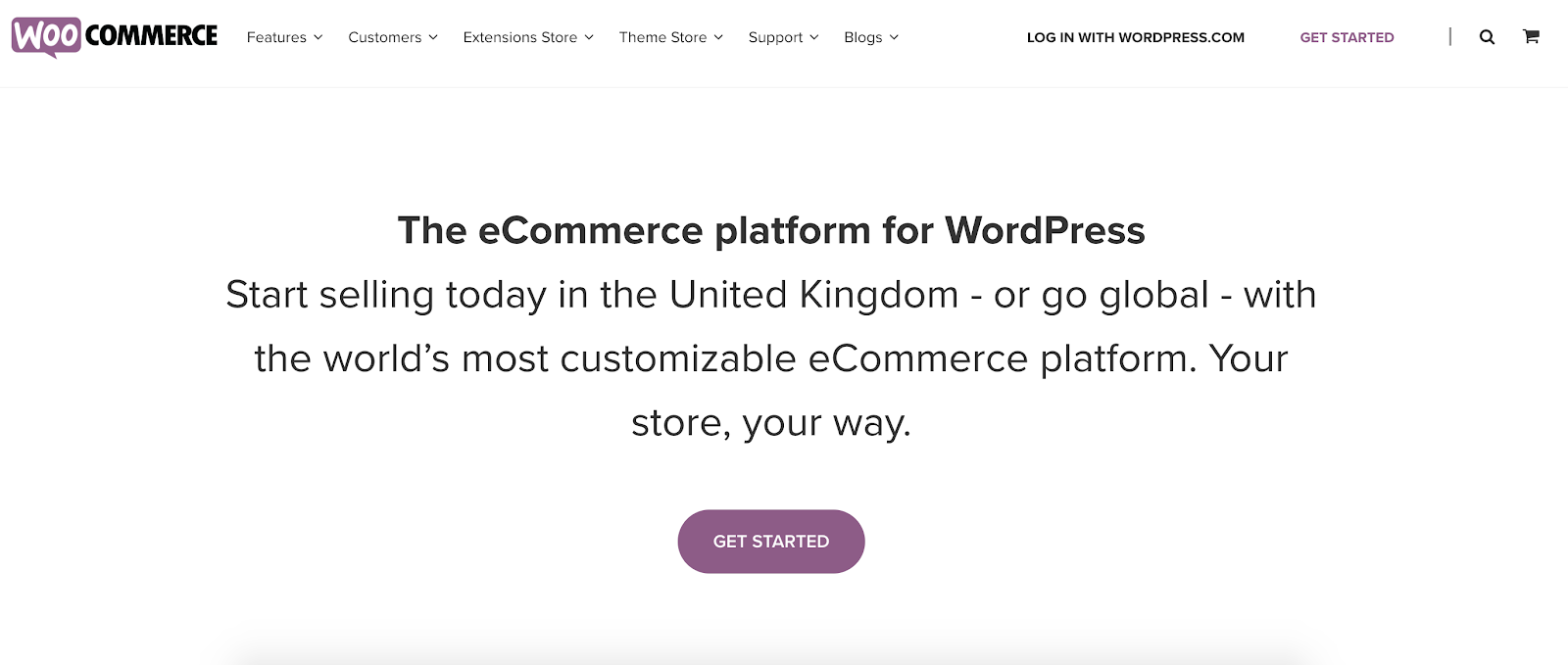
11. WooCommerce
WooCommerce is one of the bigger ecommerce solutions out there. If you have a WordPress website and want to add ecommerce elements, WooCommerce is an incredibly useful solution.
WooCommerce is a pretty large service with a big user base. It’s a perfect addition for WordPress users who want to start selling their own products.
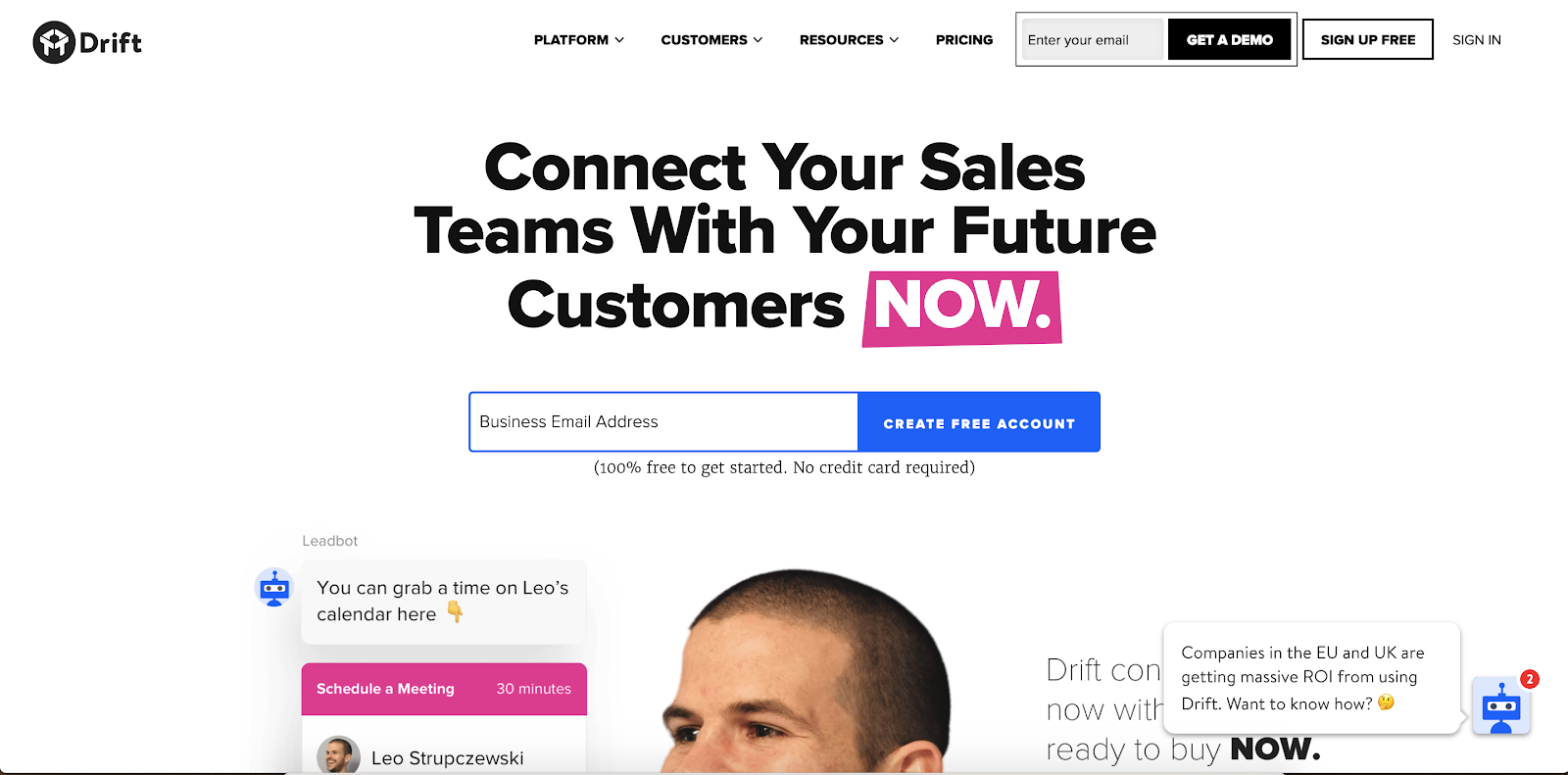
12. Drift Conversational Marketing Platform
Drift has taken the concept of conversational marketing to the next level, and is a great addition to other marketing tools in your arsenal.
With its ability to target based on account, the messages you can send with Drift will be far more personalized and detailed than they would otherwise.
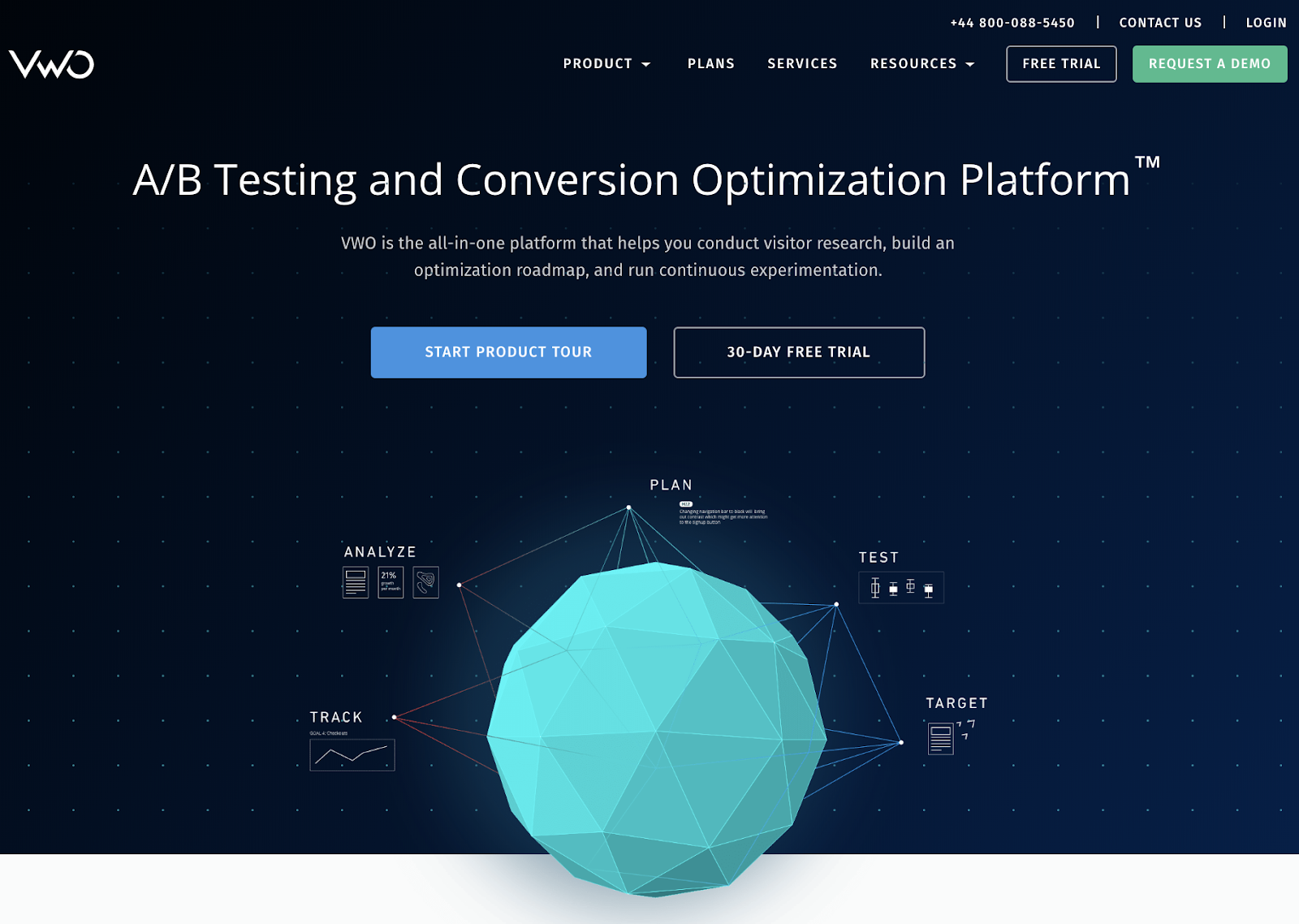
13. VWO A/B testing
Testing different elements of your site, from headlines and images to CTAs and messaging, is key to improving your marketing strategy over time.
However, running individual A/B tests can be time-consuming and difficult. Fortunately, the VWO A/B testing tool is an all-in-one solution that automatically runs A/B tests on your pages, and improves the overall optimization of your website.
14. Prooffactor
Prooffactor adds social proof elements, including who recently bought a product and live visitor counts, to your site to ensure new visitors can quickly visualize the popularity of your products or services.
Best of all, Prooffactor also offers gamified pop-ups to add another lead generation element to your site and further engage new prospects.

What Website Plugin Will Work for You?
There are countless website plugins out there, and each one aims to solve a unique website problem.
Generally speaking, your goal with your website should be making your purchase or sign-up journey as frictionless as possible for your users — ideally, a plugin can help create a simpler process for your site visitors.
If you’re looking for a free website plugin that’ll help you generate more qualified leads, check out HubSpot’s free solution here.

There are nights I’m sure I’m asleep before my head hits the pillow. As a working mother, I remember writing my book with my first baby crawling around the floor of our home office. These days, I comanage both our business and home with m…
In a competitive work environment, it’s up to you to move your career forward. You have to be proactive and continually refine your skill sets to advance and thrive. The corporate climb is always evolving, and staying on top of the latest trends in the business world is key to ensuring that you enjoy many years of success and growth.
The post Innovate for Expertise: 5 Ways To Expand Your Skill Set & Job Potential appeared first on Innovation Management.

Assuming that the emergence of consciousness in artificial minds is possible, those minds will feel the urge to create art.
But will we be able to understand it? To answer this question, we need to consider two subquestions: when does the machine become an author of an artwork? And how can we form an understanding of the art that it makes?
Empathy, we argue, is the force behind our capacity to understand works of art. Think of what happens when you are confronted with an artwork. We maintain that, to understand the piece, you use your own conscious experience to ask what could possibly motivate you to make such an artwork yourself – and then you use that first-person perspective to try to come to a plausible explanation that allows you to relate to the artwork. Your interpretation of the work will be personal and could differ significantly from the artist’s own reasons, but if we share sufficient experiences and cultural references, it might be a plausible one, even for the artist. This is why we can relate so differently to a work of art after learning that it is a forgery or imitation: the artist’s intent to deceive or imitate is very different from the attempt to express something original. Gathering contextual information before jumping to conclusions about other people’s actions – in art, as in life – can enable us to relate better to their intentions.
But the artist and you share something far more important than cultural references: you share a similar kind of body and, with it, a similar kind of embodied perspective. Our subjective human experience stems, among many other things, from being born and slowly educated within a society of fellow humans, from fighting the inevitability of our own death, from cherishing memories, from the lonely curiosity of our own mind, from the omnipresence of the needs and quirks of our biological body, and from the way it dictates the space- and time-scales we can grasp. All conscious machines will have embodied experiences of their own, but in bodies that will be entirely alien to us.
We are able to empathise with nonhuman characters or intelligent machines in human-made fiction because they have been conceived by other human beings from the only subjective perspective accessible to us: ‘What would it be like for a human to behave as x?’ In order to understand machinic art as such – and assuming that we stand a chance of even recognising it in the first place – we would need a way to conceive a first-person experience of what it is like to be that machine. That is something we cannot do even for beings that are much closer to us. It might very well happen that we understand some actions or artifacts created by machines of their own volition as art, but in doing so we will inevitably anthropomorphise the machine’s intentions. Art made by a machine can be meaningfully interpreted in a way that is plausible only from the perspective of that machine, and any coherent anthropomorphised interpretation will be implausibly alien from the machine perspective. As such, it will be a misinterpretation of the artwork.
But what if we grant the machine privileged access to our ways of reasoning, to the peculiarities of our perception apparatus, to endless examples of human culture? Wouldn’t that enable the machine to make art that a human could understand? Our answer is yes, but this would also make the artworks human – not authentically machinic. All examples so far of ‘art made by machines’ are actually just straightforward examples of human art made with computers, with the artists being the computer programmers. It might seem like a strange claim: how can the programmers be the authors of the artwork if, most of the time, they can’t control – or even anticipate – the actual materialisations of the artwork? It turns out that this is a long-standing artistic practice.
Suppose that your local orchestra is playing Beethoven’s Symphony No 7 (1812). Even though Beethoven will not be directly responsible for any of the sounds produced there, you would still say that you are listening to Beethoven. Your experience might depend considerably on the interpretation of the performers, the acoustics of the room, the behaviour of fellow audience members or your state of mind. Those and other aspects are the result of choices made by specific individuals or of accidents happening to them. But the author of the music? Ludwig van Beethoven. Let’s say that, as a somewhat odd choice for the programme, John Cage’s Imaginary Landscape No 4 (March No 2) (1951) is also played, with 24 performers controlling 12 radios according to a musical score. In this case, the responsibility for the sounds being heard should be attributed to unsuspecting radio hosts, or even to electromagnetic fields. Yet, the shaping of sounds over time – the composition – should be credited to Cage. Each performance of this piece will vary immensely in its sonic materialisation, but it will always be a performance of Imaginary Landscape No 4.
None
Why should we change these principles when artists use computers if, in these respects at least, computer art does not bring anything new to the table? The (human) artists might not be in direct control of the final materialisations, or even be able to predict them but, despite that, they are the authors of the work. Various materialisations of the same idea – in this case formalised as an algorithm – are instantiations of the same work manifesting different contextual conditions. In fact, a common use of computation in the arts is the production of variations of a process, and artists make extensive use of systems that are sensitive to initial conditions, external inputs or pseudo-randomness to deliberately avoid repetition of outputs. Having a computer executing a procedure to build an artwork, even if using pseudo-random processes or machine-learning algorithms, is no different than throwing dice to arrange a piece of music, or to pursuing innumerable variations of the same formula. After all, the idea of machines that make art has an artistic tradition that long predates the current trend of artworks made by artificial intelligence.
Machinic art is a term that we believe should be reserved for art made by an artificial mind’s own volition, not for that based on (or directed towards) an anthropocentric view of art. From a human point of view, machinic artworks will still be procedural, algorithmic and computational. They will be generative, because they will be autonomous from a human artist. And they might be interactive, with humans or other systems. But they will not be the result of a human deferring decisions to a machine, because the first of those – the decision to make art – needs to be the result of a machine’s volition, intentions and decisions. Only then will we no longer have human art made with computers, but proper machinic art.
The problem is not whether machines will or will not develop a sense of self that leads to an eagerness to create art. The problem is that if – or when – they do, they will have such a different Umwelt that we will be completely unable to relate to it from our own subjective, embodied perspective. Machinic art will always lie beyond our ability to understand it because the boundaries of our comprehension – in art, as in life – are those of the human experience.
Rui Penha & Miguel Carvalhais
This article was originally published at Aeon and has been republished under Creative Commons.
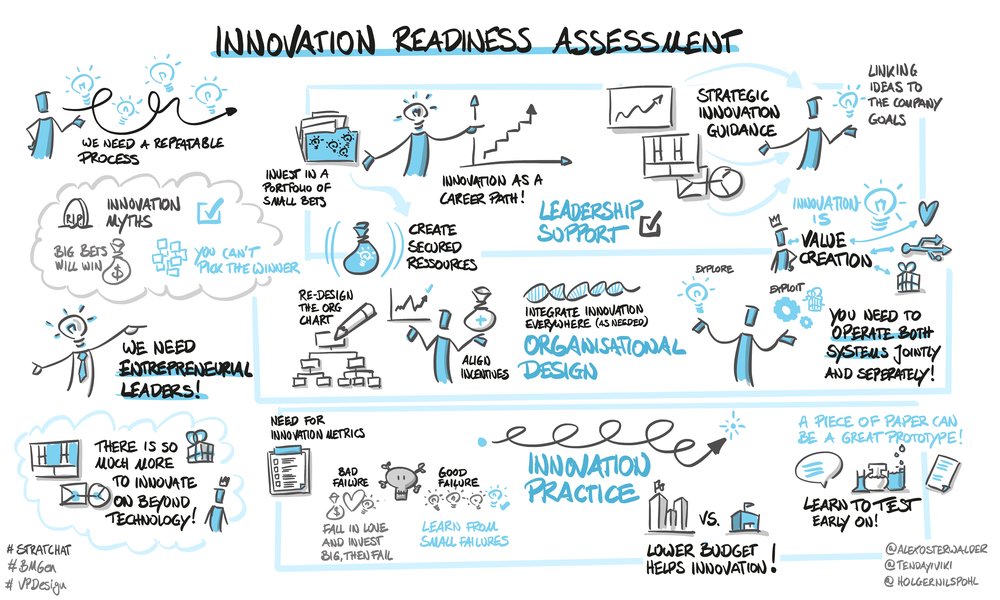
Visual live-drawn by Holger Nils Pohl
As the pace of change in our world has increased, competitive advantages have become temporary. Companies now need to be able to support and nurture innovation – not as one-off projects, but as a repeatable process. Innovation proficiency is no longer optional.
The questions for leaders and intrapreneurs are:
-
How ready is your company to nurture and support innovation?
-
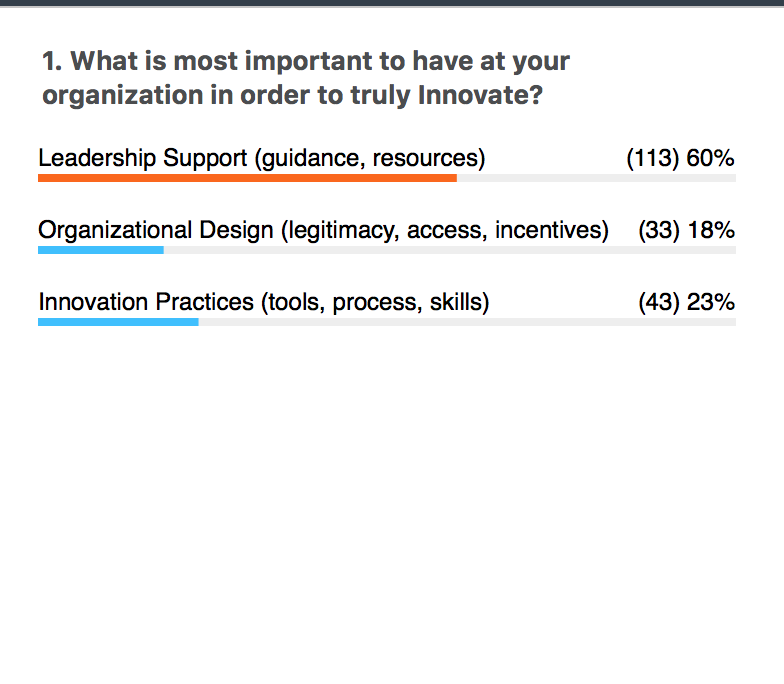
Do you have the right leadership support, organizational design and innovation practice?
In this session, Tendayi Viki, Associate Partner at Strategyzer, Thinkers50 2018 Radar Thinker and the author of The Corporate Startup, joins Alexander Osterwalder in an insightful discussion around how companies can assess their levels of innovation readiness using some of our latest insights from the field.
Enjoy the replay!
Webinar Survey Results: