


In a world in which companies are forcing employees back into the office in a never-ending, post-pandemic RTO push, two-thirds of office workers are secretly “hacking” their workspaces to meet their needs.
According to an international survey released earlier this year by global design firm Gensler, a clear majority of workers use do-it-yourself fixes to maintain comfort and privacy and personalize their workspaces.
The anonymous, panel-based survey included nearly 16,500 workers in 16 countries. It found that although the settings where people work have stabilized over the past three years—the average worker spends 55% of their time in the office and 26% in “coworking spaces, client/vendor sites, third places, or while traveling for business”—challenges remain.
A quarter of employees use workspace “hacking” to address ergonomic, temperature, privacy, and storage issues, the report found, with respondents reporting rearranging furniture, bringing in personal heaters and fans, and modifying air vents, among other makeshift solutions. Changes to optimize lighting (like adding extra reading lights) and reduce noise (like using headphones) were also common.
In May, Gallup estimated that 22% of workers who are “remote-capable,” which includes most knowledge workers, are back on site full time, while 52% are in hybrid arrangements and 26% are exclusively remote.
As of October 2026, about 58% of all full-time wage and salary workers in the U.S. are back on site, according to the Federal Reserve of St. Louis.
More than 60% of respondents reported that limited meeting space led them to take calls from hallways or staircases, or cancel meetings altogether. Unassigned seating is another stressful in-office reality for nearly 20% of workers. The policy was seen as effective by fewer than half of those surveyed.
The findings underscore a broader challenge for employers hoping to provide an attractive post-pandemic workplace: the small irritations workers once accepted as unavoidable parts of office life may feel harder to tolerate after years of full control over their working environments. If left unaddressed, complaints about seemingly trivial issues like how hot, cold or loud the office is may lead employees to question what they are gaining by returning to the office.
To counter this, some companies are turning to new design strategies intended to make attendance more attractive. Some have adopted a “hospitality mindset” akin to that of hotels and resorts, reconfiguring layouts to better reflect how people move naturally and creating spaces where people can combine work with recharging and relaxing.
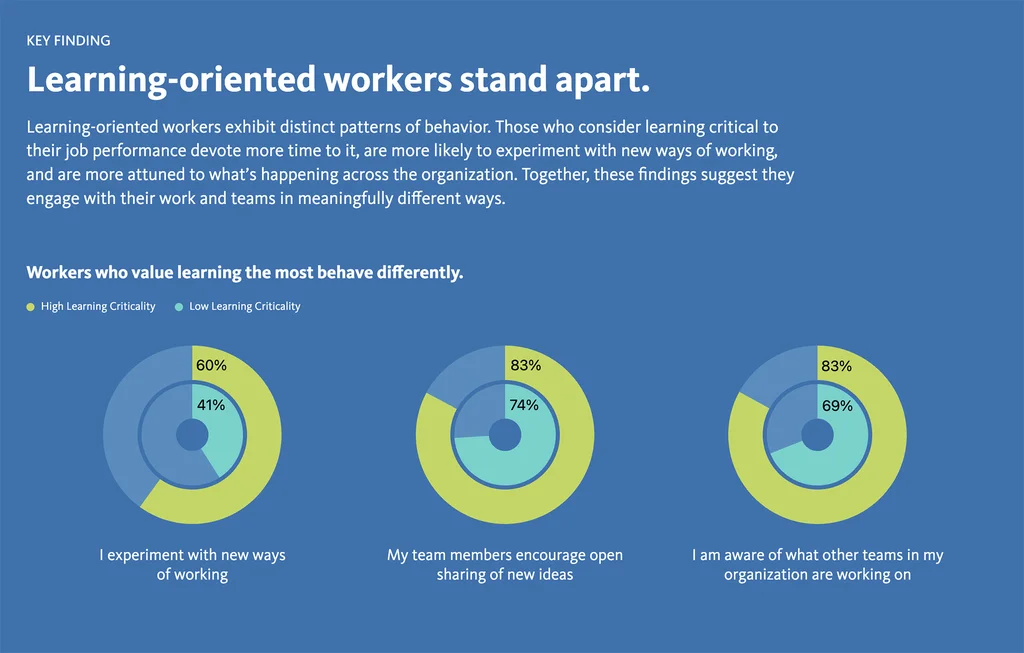
According to Gensler, workers are also more likely to view their workplace as an effective “learning” environment when they like the look and feel of the space, noise levels are manageable, and they have “access to up-to-date technology.”
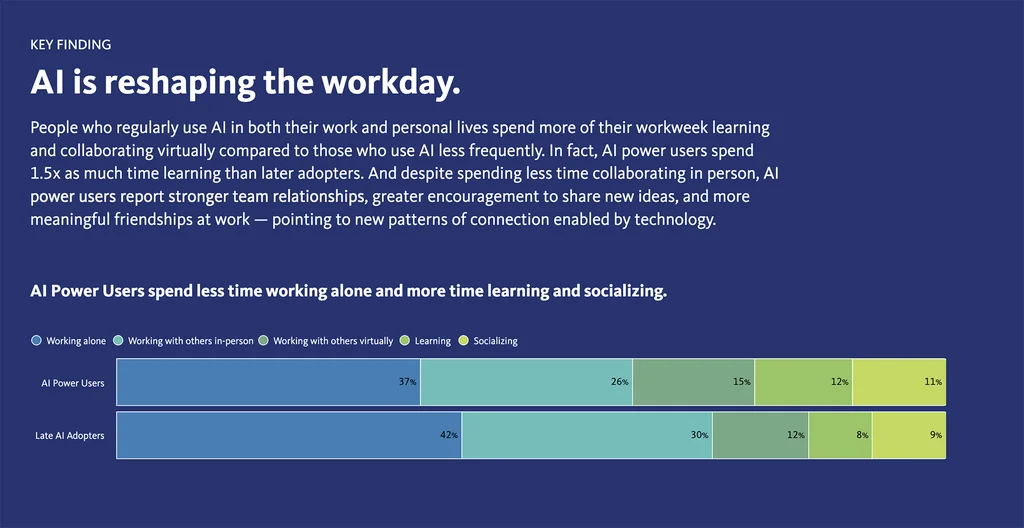
“Spaces that support wellbeing, adaptability, and collaboration will help organizations attract, retain, and empower talent; strengthen teams as they adapt to and evolve in partnership with AI and other technological advances; and overall, empower organizations to be more connected and more innovative,” the report states.
The RTO push keeps accelerating. Last month, Fidelity ordered its 6,000 Boston-based staff back into the office five days a week after having been hybrid. TikTok also ordered its staff in Monday through Friday, starting last month.


