


Business executives may be excited about artificial intelligence increasing productivity, but that doesn’t mean that rank-and-file workers are.
Consider the grocery clerks at two Safeway stores in the San Francisco Bay Area. A few weeks ago, over 200 workers who are members of the United Food and Commercial Workers Local 5 (UFCW5) union picketed a Safeway store in San Jose, Calif. to voice concerns about a push by parent company Albertsons to add more A.I to its operations.
The picketing was related to the union’s recent contract negotiations with Safeway about improving pay and pension plans, among other issues, said UFCW5 director of strategic campaigns Jim Araby. During the final week of negotiations, grocery clerks complained to the union that Albertsons’ recent tests of A.I. at so-called micro-fulfillment centers at two Safeway stores in San Jose and South San Francisco would harm workers, Araby said.
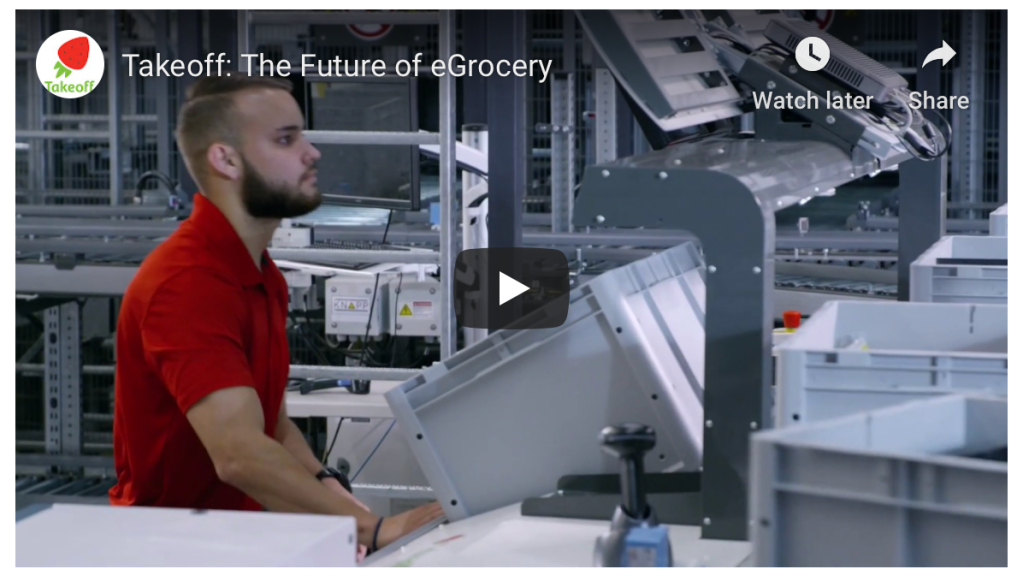
Albertsons recently partnered with the startup Takeoff Technologies to create mini warehouses where computer vision technology automatically sorts items that shoppers order online. Using A.I. reduces the need for Safeway staff to manually locate and grab items for delivery—workers now just retrieve the finalized orders from a conveyor belt and sign off on them for eventual delivery.
Several grocery store chains are investing heavily in micro-fulfillment centers after Amazon helped to popularize as-fast-as-you-can deliveries, said Andrew Lipsman, a principal analyst at research firm eMarketer.
Araby explained that the union is less concerned about the micro-fulfillment centers obliterating jobs. Instead, the union worries that as Safeway adds more micro-fulfillment centers, higher-paid grocery clerks will be downgraded to lower-paid roles at the micro-fulfillment centers, which are part of the grocery store’s e-commerce unit.
“If more jobs go warehouse-style and they move the jobs there and pay them less, then it’s a huge problem,� Araby said.
Safeway and Albertsons did not respond to requests for comment.
The UFCW5’s concerns echo those of other unions representing hotel staff and casino workers that view A.I. as inevitable and something that can’t be stopped. Rather than fighting against the technology, the unions are seeking protections in their contracts to require that employers train staff in newer skills or ensure that wages don’t plummet.
Because the concerns about the micro-fulfillment centers came up so late in the negotiation process, the union didn’t address them in their tentative agreement with Safeway management last week, Araby said. The next time the union negotiates a new contract, likely next fall, it will bring up its concerns, he said.
Although it’s too early to say what the union will seek, Araby imagines it could involve creating a “a joint labor-management committeeâ€� that would meet quarterly to discuss the company’s plans for implementing new technology and how it impacts jobs.
Araby acknowledged that the coronavirus pandemic could cause an “inflection point� that leads to more consumers using Safeway’s e-commerce and delivery service. But even if that doesn’t happen, he said, it’s clear grocery chains will continue to invest heavily in micro-fulfillment operations because “this is going to be part of the grocery income center.�
Jonathan Vanian
@JonathanVanian
jonathan.vanian@fortune.com


