


As consumers increasingly research the background of the products they love—including who founded the brand—retailers like Ulta, Sephora, and even Target have curated their inventories in response. Now their stores spotlight minority-owned brands, and they’ve formed programs to assist these founders.
Sephora, one of the leading retailers for beauty, hair, and skincare has always purported itself to be a champion for diversity. But it discovered in 2020 that only 3% of its brands were Black owned.
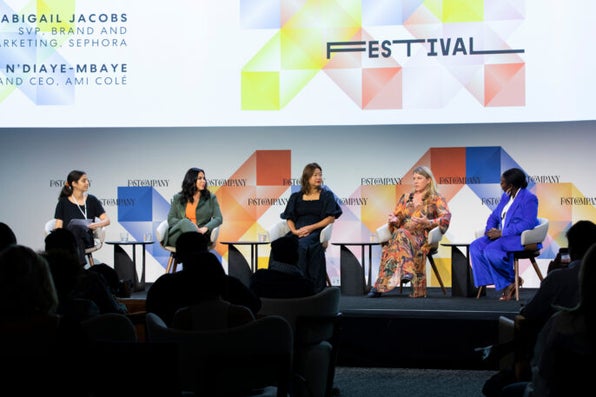
The Accelerate program is “essentially meant to be a pipeline to Sephora,” Abigail Jacobs, SVP brand and integrated marketing for Sephora, said on a panel at the Fast Company Innovation Festival on Wednesday. “It’s an incubation program where you can learn business skills, meet with merchants, and kind of grow your expertise in all sorts of ways, from legal to packaging.”
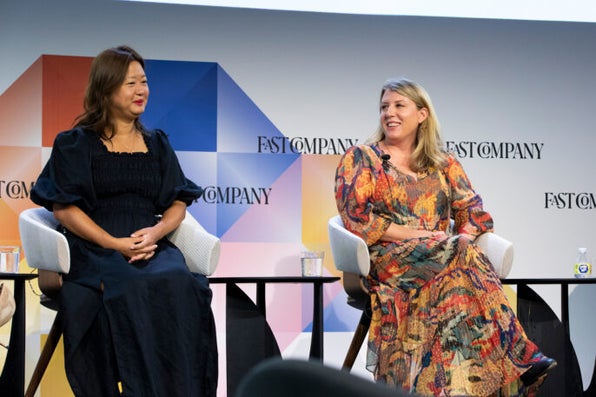
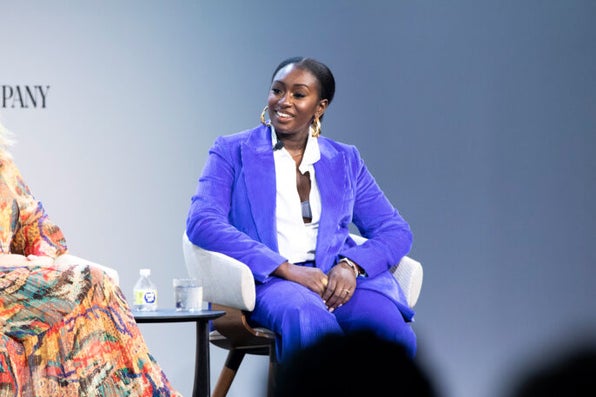
The inherent bias that exists in the beauty industry—whether that be the shopping experience or the lack of inclusivity in products—is one of the many reasons that Diarrha N’Diaye-Mbaye, founder and CEO of Ami Colé, created her clean makeup brand specifically for women of color. N’Diaye-Mbaye launched her startup at the height of the pandemic, a perilous time for any business. As an emerging leader in the beauty space, she had to rely on VC funding to get her brand off the ground. That meant being in rooms with investors who didn’t believe in her product or her leadership abilities. The lack of diversity isn’t because the founders don’t exist, but because of the lack of funding and capital being directed toward them. For most minority-owned businesses, VC funding is critical to their success.
Other platforms, like Landing International, use technology to connect emerging beauty brands to retailers for success. Their founder and CEO, Sarah Chung, has looked at consumer trends to help “blur the lines” between prestige and mass. But pairing brands with the appropriate retailer is pivotal, especially in an industry that has become saturated with brands looking to break out from the competition.
“Advice that I would give to indie brands is that it truly does become about finding your tribe,” Chung said at the event. “Because when I talk to buyers, there are anywhere from [5,000] to 10,000 new brand pitches a year to a buyer. And because of the limits of physical space, the vast majority of those brands are not gonna ever make it in store. Retailers are looking for brand partners who come with their own following, who are filling a wide space; and identifying your uniqueness and your voice earlier on in the process, I think is only gonna help you succeed when you are at retail.”
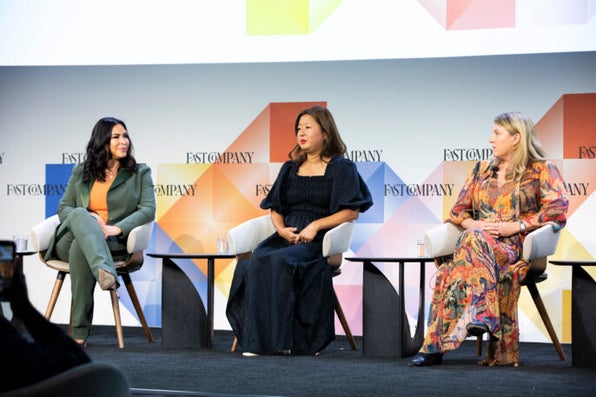
The company was established in 2006 by Aronson, a former hairdresser, and is one of the only women-owned haircare brands in the world. Her story of her humble beginnings as a hairdresser to becoming the sole Latina business owner in haircare, resonates with her consumers.
But while Aronson comes from an era that marketed beauty brands on the back of magazines and on television, social media is the new marketing tool. The business of beauty has changed over the last decade, and with social media being the primary marketing tool, for well, everything, independent beauty brands will have to tell their stories in order to stand out.
“It is so important to make sure that on the retail shelves, you are telling your story, you are engaging directly with the consumers, so they can relate to your brand,” Aronson said. Social media, too, is “absolutely vital,” she said. “I’m a huge TikTok fan now. . . . You have to move with the times, right? You have to stay up with technology, you have to stay creative.”


