


Today’s startup culture glorifies the “move fast, break things” mentality of high-growth businesses. When you’re “disrupting” an industry, you’re by definition breaking the rules. But in every sector, some things are untouchable—and for a company like ours, food safety is a sacred “do not break” rule.
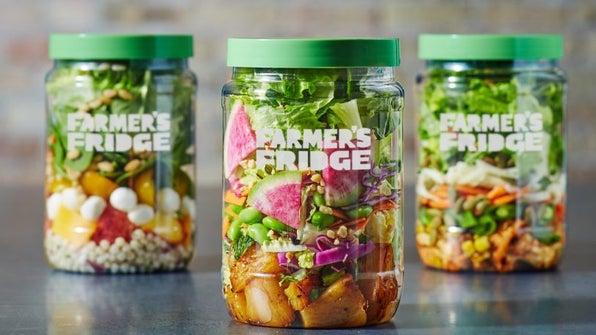
In 2013, I launched Farmer’s Fridge after recognizing it shouldn’t be infinitely easier to buy a candy bar than a salad. We sell fresh salads, sandwiches, and snacks from smart refrigerated vending machines—you may have seen our distinctive trapezoid-shaped green and grey dispensers in O’Hare International Airport or Mount Sinai Hospital—feeding thousands of people a day.
After six intense years of building the business to more than 300 fridges, we fulfilled a long-held goal of opening in New York City. As a New Jersey native, it was rewarding to think that my friends, family, and people I grew up with would be able to find and purchase food from the fridge. We placed dozens of machines around the city within a few months, with new locations opening weekly. We were worried that New Yorkers, who have access to countless on-the-go food options, wouldn’t embrace the concept, but it was an unfounded fear—they appreciated the quality and convenience just like everyone else. We had successfully launched in one of the toughest markets in the world. There was nothing to indicate we wouldn’t continue to grow.
Despite the fact that we had followed the rules—abiding by the permitting process in place at the time—I decided to voluntarily pause operations across 80 fridges. While I wanted to rail against the process for the loss of revenue and customers, I ultimately recognized the upside of collaborating with the DOH to draft a new permit process for fresh food vending. Taking the time to solve the problem from the ground up and literally rewriting the rules for our business felt like the right way to ensure our longevity.
Moving forward, each individual fridge in New York City is inspected by the Department of Health before being stocked with food (something we’ve never had to do in any other city). This means it takes us longer to place a new fridge, but we’re okay losing a bit of speed if it means building a more permanent presence in the city.
Collaborating with the DOH means that we’re no longer just working as a private food company— we’re now working alongside a massive governmental agency. This has changed how we plan for the future but also taught us how to collaborate with external partners. And internally, we learned a lot about working as a team through a crisis and tightened up our external messaging as a result.
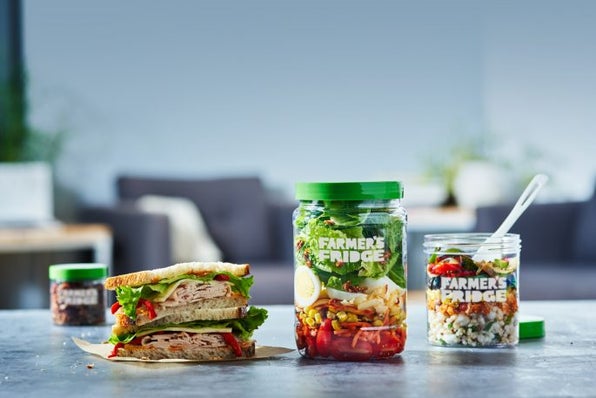
Yet we’ve shown that you don’t have to disrupt an industry to change it for the better. You can work with the existing system to build a business to last. And I’m happy to report that after two weeks of deliberations, the Department of Health decided to permit each fridge as a food service establishment and gave us clearance to reopen. After seven years of trying to convince consumers that we sell restaurant-quality food from a vending machine, we are now officially a restaurant in the eyes of the city—and at about 14 square feet, probably the smallest ones in the country, too.
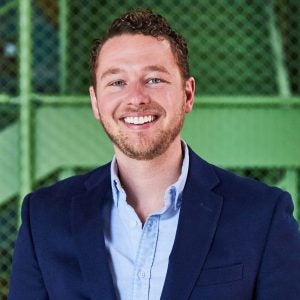
Luke Saunders is founder and CEO of Farmer’s Fridge, a network of more than 400 smart fridges stocked with fresh meals and snacks.


